
toughened float glass
Understanding Spirit Levels A Key Tool in Construction and DIY Projects In both construction and DIY projects, precision is of paramount importance. One of the most essential tools that contribute to achieving this accuracy is the spirit level, also known as a bubble level. This simple yet effective instrument is utilized to determine whether a surface is horizontal (level) or vertical (plumb). In this article, we will explore the functionality, types, and applications of spirit levels, emphasizing their significance in various fields. What is a Spirit Level? A spirit level comprises a sealed frame, usually made of metal or plastic, containing a liquid-filled vial. Inside the vial is a small bubble that moves freely. When the spirit level is placed on a surface, the bubble will settle in the center of the vial if the surface is perfectly level. If the bubble moves to one side or the other, it indicates that the surface is inclined. The principle behind this tool is rooted in the physics of gravity, as the bubble will always rise to its highest point in the liquid. Types of Spirit Levels There are several types of spirit levels, each designed for specific tasks and levels of precision 1. Traditional Spirit Levels The most common type, these consist of a horizontal vial and often include vertical vials for checking plumb. They come in various lengths, typically ranging from 12 inches to several feet. 2. Laser Levels These advanced spirit levels use laser beams to project a level line. They provide greater accuracy over longer distances and are particularly useful in large construction projects . 3. Digital Levels Equipped with electronic sensors, digital levels display the angle of inclination on a screen. They often come with features such as audio alerts when the surface is level, making them highly user-friendly. 4. Line Levels Small and lightweight, these levels are used in conjunction with a string line. They are primarily utilized for outdoor projects, such as landscaping or fence installation, to maintain level over longer distances than a traditional level might allow. spirit levels Applications of Spirit Levels Spirit levels are indispensable tools in various fields, including construction, carpentry, plumbing, and even photography. Here’s a look at how they are applied in different contexts - Construction Spirit levels ensure that walls are plumb and that floors are level during the building process. Accurate leveling is essential for structural integrity and aesthetic appeal. - Carpentry Carpenters rely on spirit levels to ensure that shelves, cabinets, and furniture are level for both functionality and visual alignment. - Plumbing Plumbers use levels to install pipes and fixtures properly, preventing leaks and ensuring effective drainage. - Outdoor Projects Whether installing a fence, laying sod, or building a patio, spirit levels help maintain consistent elevation, crucial for drainage and appearance. - Photography and Art A level can be used to ensure that images and frames are hung straight, contributing to the overall presentation and professionalism of visual displays. Conclusion In conclusion, spirit levels are an essential tool for anyone involved in construction, carpentry, or DIY projects. Their simplicity belies their importance; by enabling users to achieve precise horizontal and vertical measurements, spirit levels contribute significantly to the quality and accuracy of various projects. Whether you are a seasoned professional or a weekend DIY enthusiast, understanding how to effectively use a spirit level is a fundamental skill that can greatly enhance your work. So, the next time you embark on a home improvement task, be sure to have a reliable spirit level by your side to guide you toward perfection.
about
toughened float glass
Pipe fitting saddle clamps are an essential component in the realm of plumbing and industrial piping systems. These versatile devices serve as a means to attach additional pipes, valves, or instruments to an existing pipeline without the need for extensive modification or disruption of the system's operation. In this article, we delve into the significance, types, applications, and benefits of pipe fitting saddle clamps, underscoring their pivotal role in maintaining efficient and secure fluid transportation networks. Understanding Pipe Fitting Saddle Clamps A pipe fitting saddle clamp, also known as a pipe saddle or branch saddle, is a specialized attachment designed to provide a secure mounting point on the surface of a pipe. It typically consists of two primary components a saddle piece that fits snugly around the pipe and a branch outlet where a secondary pipe or fitting can be connected. These clamps are made from various materials including stainless steel, carbon steel, plastic (such as PVC or CPVC), or even cast iron, depending on the specific application requirements and the type of fluid being transported. Types of Saddle Clamps Pipe fitting saddle clamps come in several forms to accommodate different pipe sizes, materials, and connection needs 1. **Welded Saddle Clamps** Designed for permanent installations, these clamps are welded directly onto the main pipeline, providing a robust and long-lasting connection point. 2. **Bolted Saddle Clamps** These use bolts or screws to fasten the saddle onto the pipe, allowing for easier installation and potential repositioning if needed. 3. **Clamp-On Saddle Fittings** A more temporary solution, these clamps utilize a tightening mechanism such as a screw or bolt to secure the fitting without welding or invasive modifications. 4. **Insulation Saddle Clamps** Specifically designed for pipes with insulation, these clamps feature an enlarged saddle to accommodate the additional thickness while maintaining a secure fit. Applications and Uses Pipe fitting saddle clamps find extensive use across various industries, including but not limited to - **Plumbing Systems** For adding branches to water supply lines, facilitating repairs or extensions without interrupting service Applications and Uses Pipe fitting saddle clamps find extensive use across various industries, including but not limited to - **Plumbing Systems** For adding branches to water supply lines, facilitating repairs or extensions without interrupting service Applications and Uses Pipe fitting saddle clamps find extensive use across various industries, including but not limited to - **Plumbing Systems** For adding branches to water supply lines, facilitating repairs or extensions without interrupting service Applications and Uses Pipe fitting saddle clamps find extensive use across various industries, including but not limited to - **Plumbing Systems** For adding branches to water supply lines, facilitating repairs or extensions without interrupting service pipe fitting saddle clamp . - **Oil & Gas Industry** In pipelines for monitoring equipment installation, leak detection sensors, or adding auxiliary piping for chemicals injection. - **Chemical Processing** To introduce process control instruments or sampling points while ensuring leak-tight seals in corrosive environments. - **HVAC Systems** For connecting drain lines or adding refrigerant lines to cooling systems. Benefits The adoption of pipe fitting saddle clamps offers several advantages over traditional methods of pipe branching - **Ease of Installation** They allow for quick and straightforward attachment without requiring extensive pipe cutting or complex welding procedures. - **Cost-Effectiveness** By minimizing downtime and reducing the need for specialized labor, saddle clamps can significantly reduce overall project costs. - **Versatility** Available in various sizes and materials, they can be tailored to suit any piping system’s specifications and operational demands. - **Safety and Integrity** Properly installed saddle clamps ensure leak-proof connections, critical in handling hazardous fluids or gases. - **Maintenance and Modification** They facilitate future system modifications or maintenance tasks by enabling easy access and adjustments. In conclusion, pipe fitting saddle clamps are indispensable tools in modern piping infrastructure. Their adaptability, combined with the ability to enhance system efficiency and safety, underscores their importance across diverse industrial and commercial applications. Whether in new constructions or retrofit projects, saddle clamps offer a reliable and efficient means of expanding or modifying piping networks while preserving the integrity and functionality of the system. As technology advances, so too will the design and capabilities of these essential components, further solidifying their position as a cornerstone of efficient fluid transportation solutions.
-

High quality industrial productsagement

High quality industrial products
View Details -

Meet the diverse needs of customers

Meet the diverse needs of customers
View Details -

Strict quality control

Strict quality control
View Details -

Top raw materials

Top raw materials
View Details -

Trusted supplier

Trusted supplier
View Details
Our application
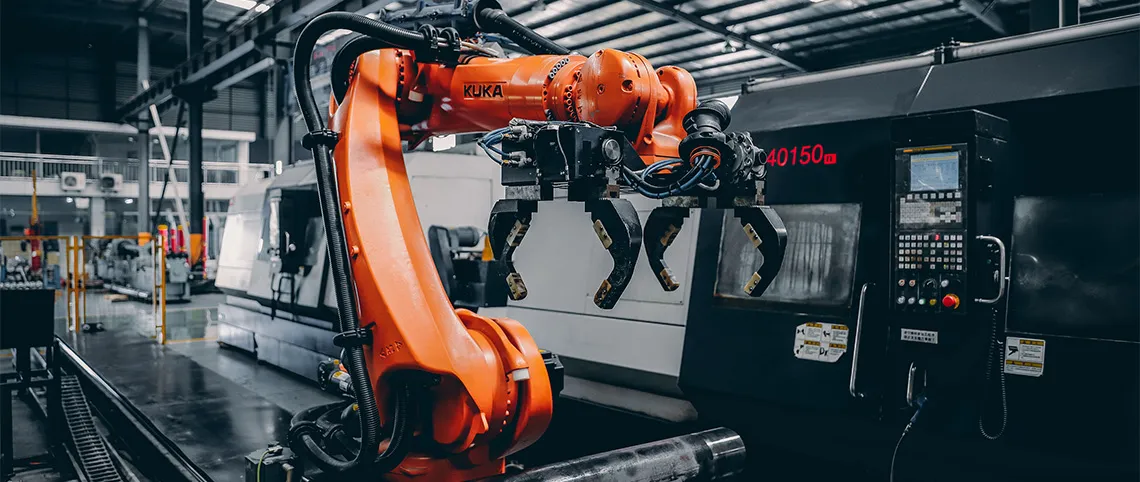
news and information
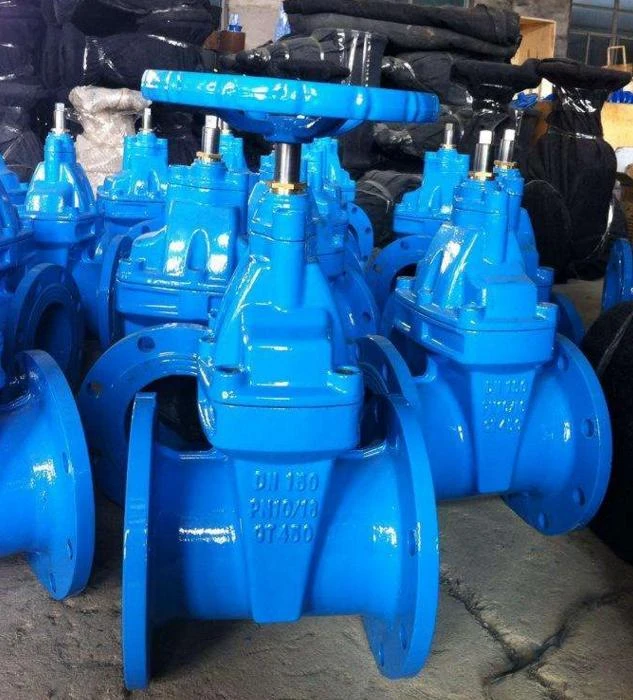
Y-Shaped Strainer for Efficient Liquid Filtration Solutions
y shaped strainer .
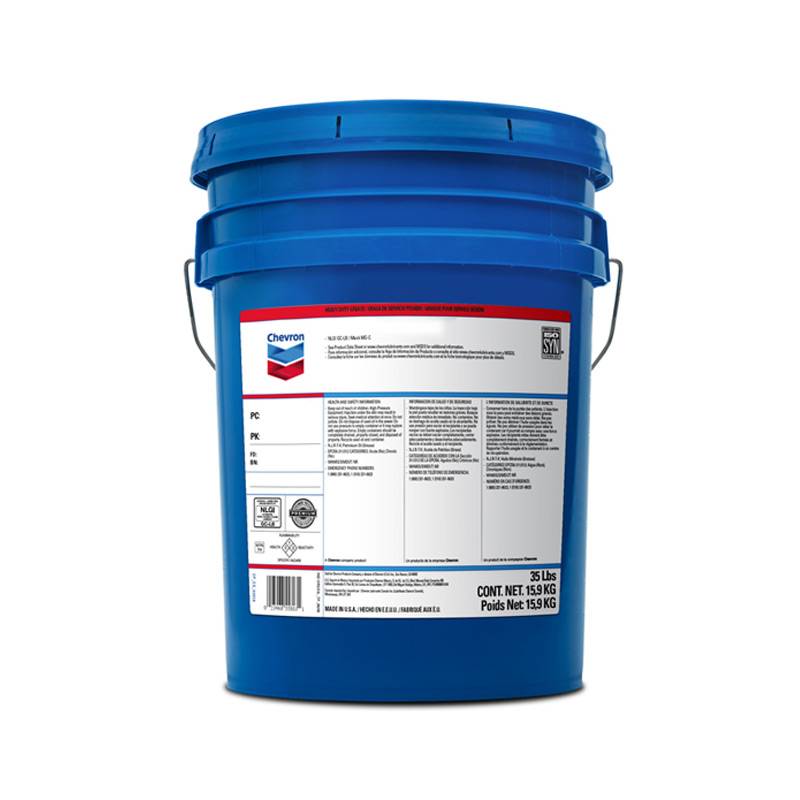
Wholesale Supply of High-Quality Ball Valves for Various Industrial Applications
The Wholesale Market for Ball Valves An In-Depth Analysis Ball valves are essential components in va
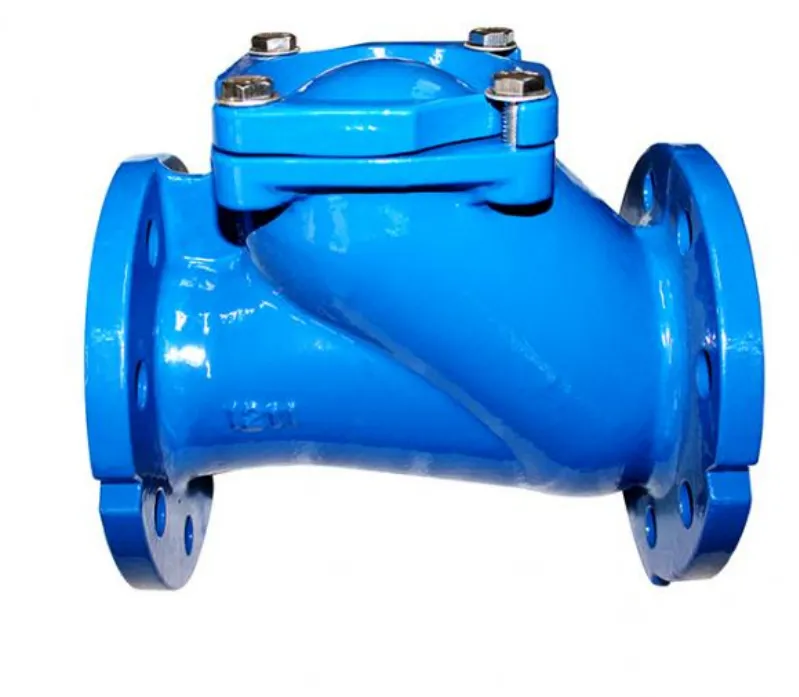
vibration pad price
Understanding Vibration Pad Prices A Comprehensive Guide Vibration pads, also known as anti-vibratio
 English